Domestic Freight, Delivered By Intelligence

Maximize truckload efficiency with intelligent route optimization, load planning, and real-time carrier tracking.
domestic-tms-freight-procurement-solutions-ai-optimized-by-pando

Real Value, Real Fast.

Drive operational excellence and reduce costs with AI-powered transportation management in 90 days

0

Savings in freight cost

0

Improvement in customer SLAs

0

Reduction in carbon footprint

0

Autonomous collaboration with carriers

Experience the Pando advantage

  • Experience an AI-first platform
  • Market intelligence
  • Connected network
  • Industry ready
  • Easy integration
  • Full visibility
Experience an AI-first platform
experience-an-ai-first-platform
Market intelligence
market-intelligence
Connected network
connected-network
Industry ready
industry-ready
Easy integration
easy-integration
Full visibility
full-visibility

Trusted & recognized globally

time_trusted and recognized Deloitte F500_time_trusted and recognized fast_company_trusted and recognized Inc 5000 - Trusted & Recognized gartner-2025-mq-gallery G2 recent badges Great supply chain partner 2025

Recommended by global consulting & technology companies

Discover AI agents for domestic transportation

Free ROI Framework
30min Product Demo
No obligations

See AI agents in action

We can help you understand and discover more about the significance of domestic transportation management system

What is a TMS? Why do shippers need a domestic TMS?

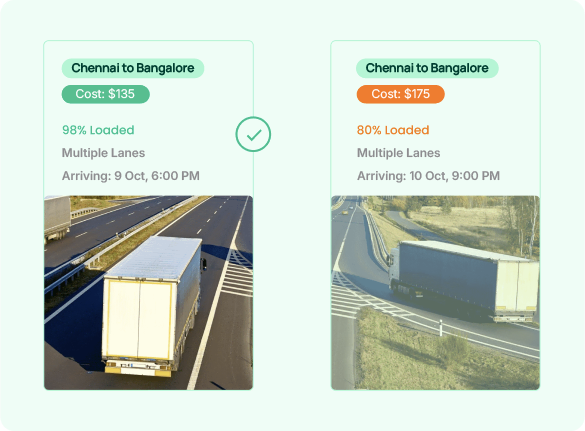
A Transportation Management System (TMS) is a comprehensive logistics platform that transforms how manufacturers, distributors, and retailers optimize their domestic freight operations. For shipping across truck load (TL), less than truck load (LTL), parcel, and rail transportation modes, a TMS becomes essential. Modern shippers leverage TMS technology to automate carrier selection, optimize freight rates, and streamline load planning processes. The platform drives significant cost savings through smarter procurement strategies and load consolidation while providing real-time shipment visibility across carriers and routes. By automating freight audit and payment workflows, a TMS eliminates manual processing and reduces errors. Most importantly, it enables shippers to deliver exceptional customer experience through predictable deliveries, while simultaneously improving sustainability through optimized routes and reduced empty miles. The automation of manual logistics tasks significantly enhances team productivity and operational efficiency.

What are critical capabilities in a domestic TMS?

Modern domestic transportation management demands a robust set of capabilities integrated into a single platform. At its core, the system should provide AI-powered freight procurement capabilities with dynamic rate management to respond to market volatility. Advanced multi-constraint planning engines optimize loads and routes while factoring in real-world constraints. Real-time tracking with predictive ETAs enables proactive exception management across the transportation network. The system should seamlessly manage carrier collaboration, from automated tendering to performance monitoring. Essential operational features include cross-dock planning, appointment scheduling, 3D load visualization, and private fleet optimization. For last-mile operations, the system needs sophisticated routing algorithms and dock scheduling capabilities. Modern TMS platforms also require no-code configuration abilities for business agility and deep integration capabilities with ERP systems, warehouse management systems, and carrier networks. Comprehensive analytics and sustainability reporting round out the critical functionality needed to drive transportation excellence.

What are the risks of outsourcing transportation management to 3PL?

Outsourcing transportation management to third-party logistics providers creates several strategic risks for shippers in today's dynamic market. Organizations often lose direct carrier relationships and negotiating leverage, which impacts their ability to secure competitive freight rates and capacity. The lack of operational visibility makes it difficult to identify cost inefficiencies and optimization opportunities across the transportation network. Customer experience suffers as shippers become dependent on the 3PL's service levels and technology capabilities. When comparing total cost of ownership, in-house transportation management often proves more cost-effective in the long term. The siloed nature of 3PL operations limits shippers' ability to optimize across business units and adapt quickly to market changes. Perhaps most critically, organizations lose access to valuable logistics data and market intelligence that could drive competitive advantage through smarter transportation decisions.

What role do AI agents play in domestic TMS?

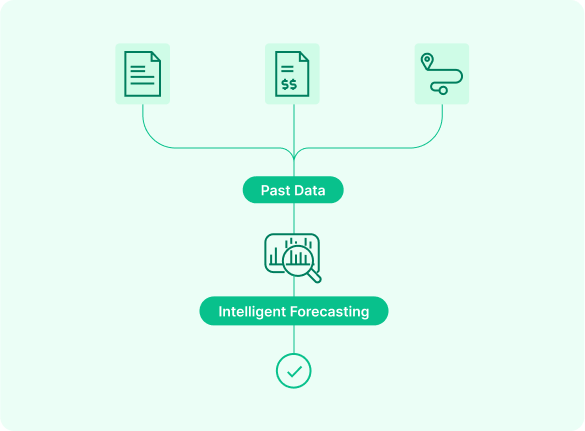
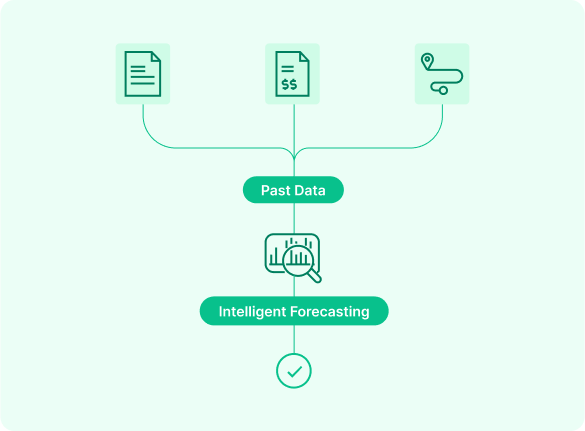
Artificial Intelligence agents are revolutionizing domestic transportation management by introducing unprecedented levels of automation and intelligence. These AI agents transform procurement strategy by analyzing historical data, market conditions, and carrier performance to automate carrier selection and rate negotiations. In daily operations, AI optimizes complex multi-stop routes and load consolidation while enabling intelligent spot market decisions. Document processing becomes seamless as AI agents automatically extract and validate information from various shipping documents. The system proactively manages exceptions by predicting disruptions and suggesting alternative solutions before issues impact operations. AI-powered freight audit and payment processes eliminate manual reconciliation while ensuring accuracy. Through advanced machine learning algorithms, these agents continuously analyze transportation patterns to generate actionable insights and autonomous decisions, fundamentally changing how logistics teams operate.

What is an ideal ecosystem that Pando's domestic TMS integrates with?

The power of Pando's domestic TMS lies in its comprehensive integration ecosystem connecting critical supply chain systems. The platform seamlessly interfaces with major ERP systems including SAP, Oracle, and Microsoft Dynamics for automated order processing and financial reconciliation. Integration with warehouse management platforms like Manhattan and Blue Yonder ensures synchronized facility operations. For advanced planning capabilities, the system connects with solutions like Kinaxis, o9, and John Galt. Real-time visibility is enhanced through partnerships with FourKites and project44. Fleet management integration with Samsara and FleetX provides detailed vehicle tracking and telematics data. Payment processing is streamlined through Payload and Tipalti integrations, while rate intelligence from DAT and Freightwaves informs procurement decisions. The platform maintains extensive carrier connectivity through EDI and API networks via SPS Commerce and SMC3, while supporting IoT device integration for real-time asset monitoring.